La Gran Sangre × Nikon: un rodaje de cine con cámaras Nikon
Hicimos contenido de marca para la película La Gran Sangre y Nikon Perú: un reel que muestra el rodaje con cámaras Nikon, rig al hombro.
En 2026 hicimos contenido de marca para dos nombres a la vez: la película La Gran Sangre y Nikon Perú. La pieza es un reel vertical que lleva al espectador al set y muestra cómo se filmó con cámaras Nikon.
No tiene locución ni entrevistas: solo música e imagen. Todo el peso está en lo que se ve.
La cámara como protagonista
El reel se mueve entre el equipo técnico y los actores. Vemos cámaras Nikon montadas en jaula, con rig al hombro, monitor y accesorios de cine, y operadores que encuadran a centímetros de los personajes.
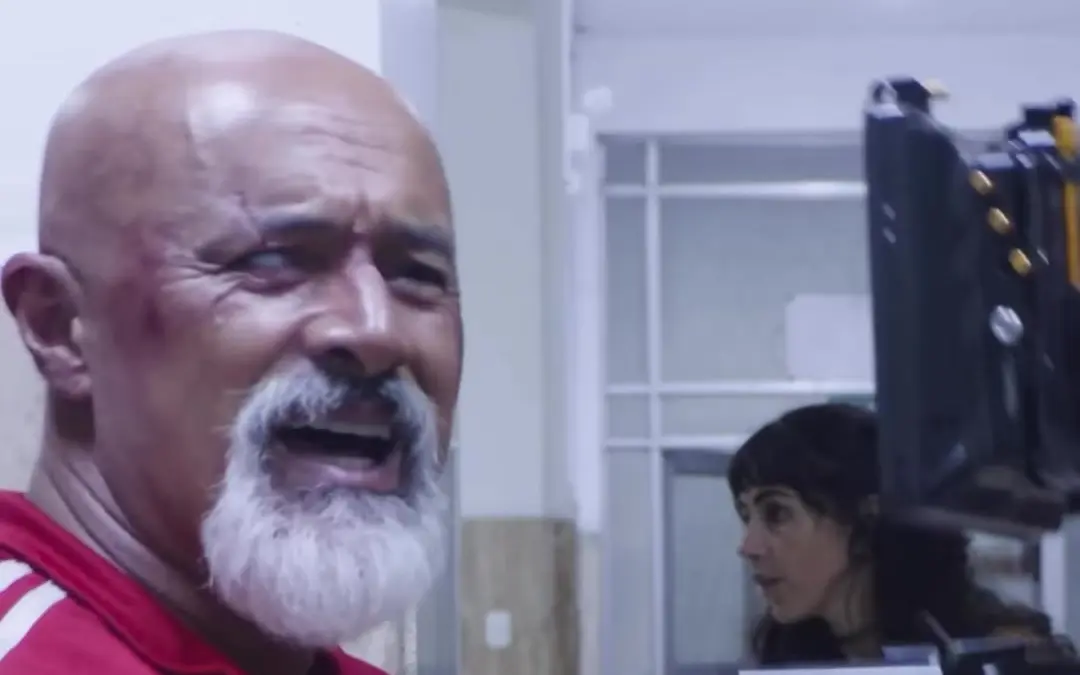
Uno de los cuadros resume la idea: un actor con el maquillaje de la escena, casaca roja y barba blanca, sostiene el rig con monitor entre toma y toma, en un pasillo del set. La cámara deja de ser un objeto escondido y pasa a ser parte de la historia.
Por qué funciona el contenido de marca en un set
Un rodaje real es la mejor vitrina para un equipo de cámara. En vez de mostrar el producto sobre una mesa, lo mostramos haciendo su trabajo: en mano, en movimiento y con las condiciones de luz de una locación.
Para la película también suma. El público ve el detrás de cámaras, conoce el tono de la historia y se queda con caras y ambientes antes del estreno. Una sola pieza le sirve a la marca y a la producción.
Para lograrlo hay que filmar sin estorbar. En un set de ficción el tiempo es del rodaje, así que el registro del making of se arma con equipo ligero, se aprovechan los momentos de preparación y se respeta el trabajo del equipo de dirección.
Un cierre con agradecimiento
El reel termina con un texto de agradecimiento a Nikon. Es un final sencillo, que deja claro el vínculo entre la marca y la película sin convertir la pieza en un aviso.
In 2026 we made branded content for two names at once: the film La Gran Sangre and Nikon Peru. The piece is a vertical reel that takes viewers onto the set and shows how the film was shot with Nikon cameras.
There is no voice-over and there are no interviews: just music and images. Everything rests on what you see.
The camera takes the lead
The reel moves between the crew and the cast. We see Nikon cameras in cages, built into shoulder rigs with monitors and cinema accessories, and operators framing shots just inches away from the characters.
One frame sums up the idea: an actor in full scene make-up, red track jacket and white beard, holds the rig and its monitor between takes in a corridor on set. The camera stops being a hidden object and becomes part of the story.
Why branded content works on a film set
A real shoot is the best showcase for camera gear. Instead of showing the product on a table, we show it doing its job: handheld, on the move and under the lighting conditions of a real location.
It works for the film too. Audiences get a look behind the scenes, a sense of the story's tone, and faces and settings to remember before the release. One piece serves both the brand and the production.
Getting there means filming without getting in the way. On a fiction set, time belongs to the shoot, so behind-the-scenes coverage relies on light gear, makes the most of set-up moments and respects the director's team.
Ending with a thank-you
The reel closes with a thank-you message to Nikon. It is a simple ending that makes the link between the brand and the film clear without turning the piece into an ad.